![<p>The Panic - Run on the Fourth National Bank, No. 20 Nassau Street [New York City, 1873]. (Image LC-USZ6-952 via<a href="https://www.loc.gov/pictures/resource/cph.3a00900/"> Library of Congress Prints and Photographs Division</a>)<br></p>](/-/media/Project/FedHistory/FedHistory/Images/financial-stability_720x450.jpg?h=450&iar=0&w=720&hash=AD5F52DA3FC480826735D022DD5E5EF4)
The Federal Reserve monitors financial system risks and engages at home and abroad to help ensure the system supports a healthy economy for U.S. households, communities, and businesses.
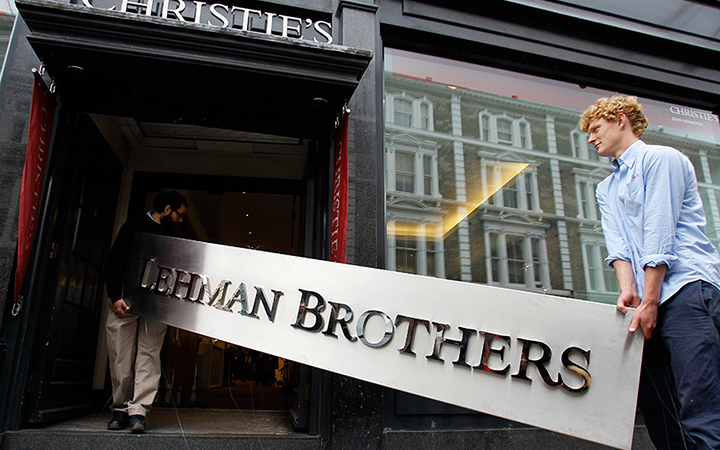
The failures of Bear Stearns and Lehman Brothers and the bailout of AIG occurred in 2008
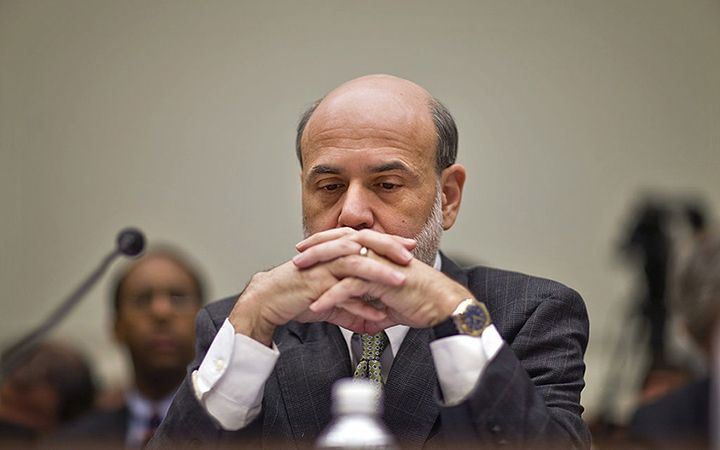
The Fed introduced various credit programs to deal with the 2007-09 financial crisis
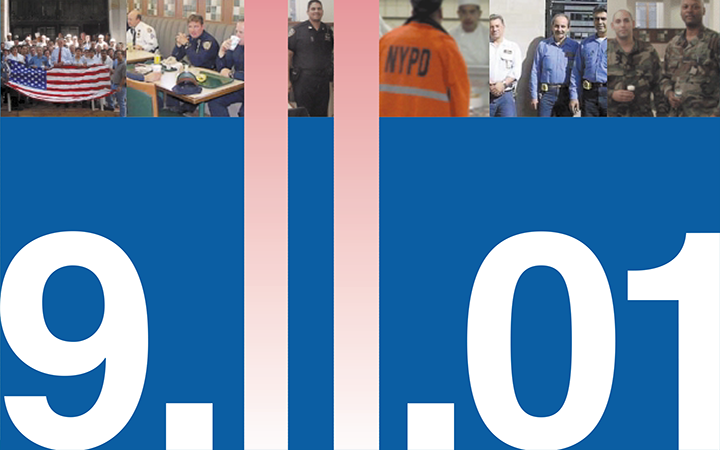
The 9/11 attacks created massive dislocations in US financial markets. The Fed played a leading role in responding to the immediate crisis, using the wide range of its authorities to limit the economic fallout and support the US financial system.
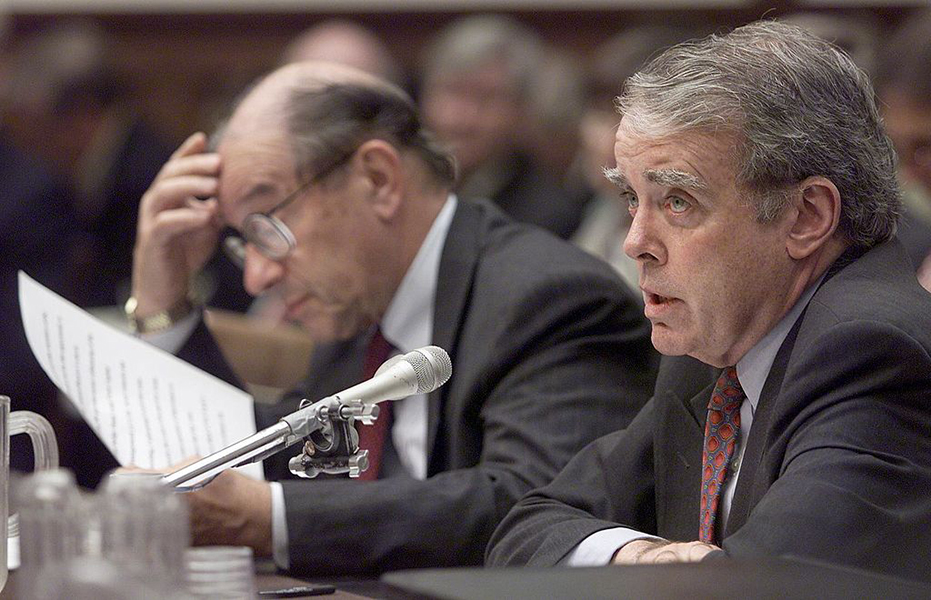
A group of banks and brokerage firms prevented the collapse of this hedge fund in 1998
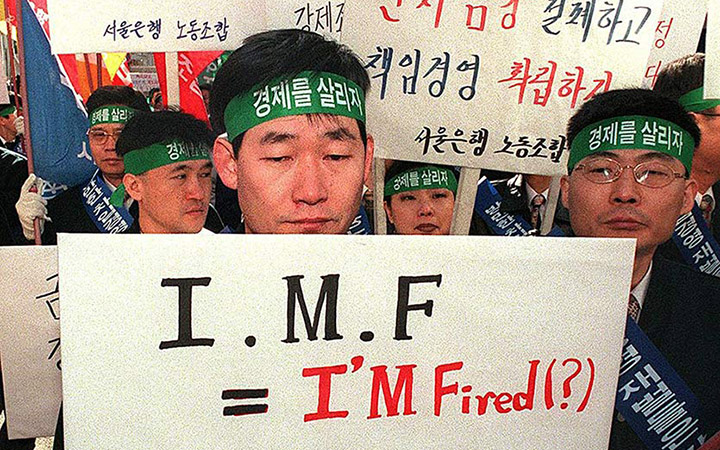
A financial crisis started in Thailand in July 1997 and spread across East Asia
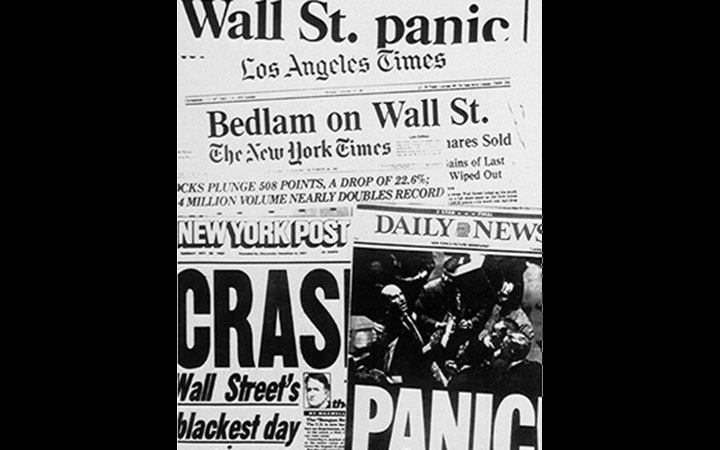
The Dow dropped 22.6 percent on Black Monday, October 19, 1987
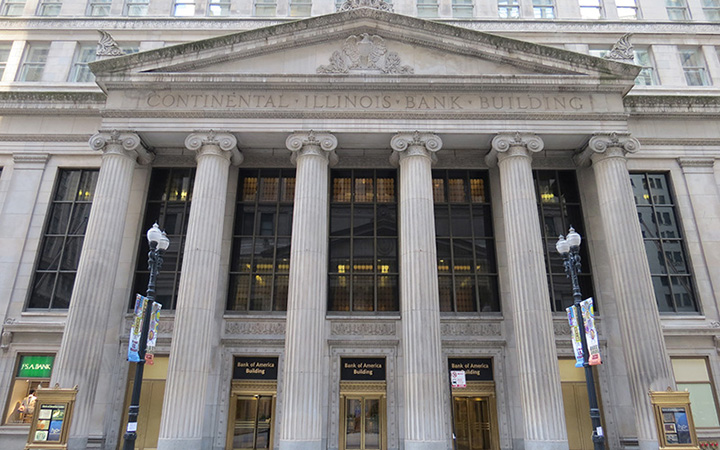
The phrase "too big to fail" became commonly used for the first time after Continental's crisis
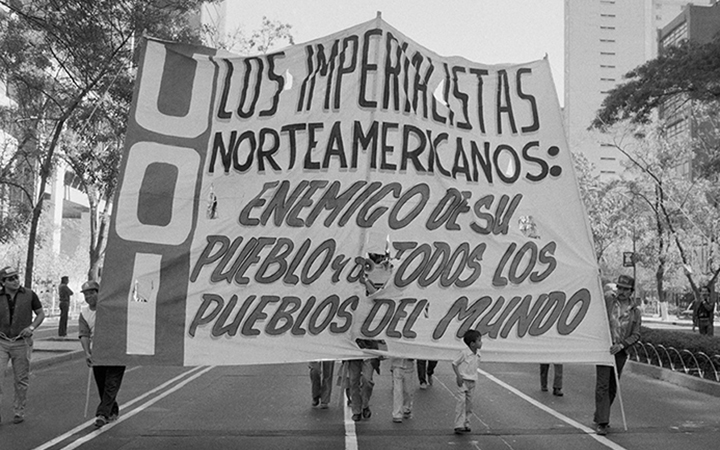
During the 1980s, many Latin American countries were unable to service their foreign debt
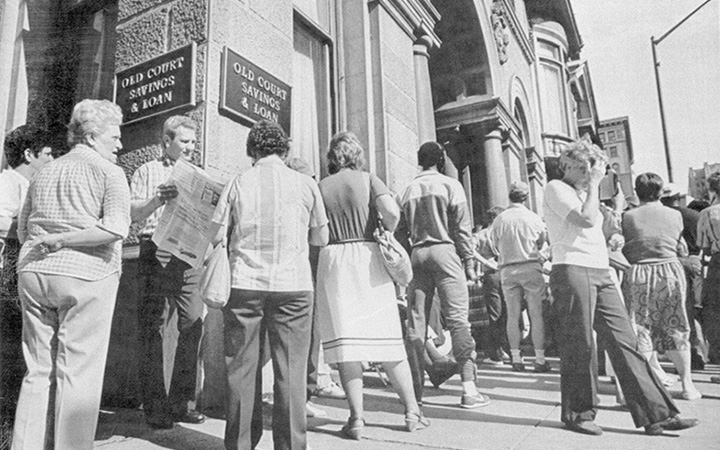
The 1980s was a period of distress for the financial sector, especially savings and loans
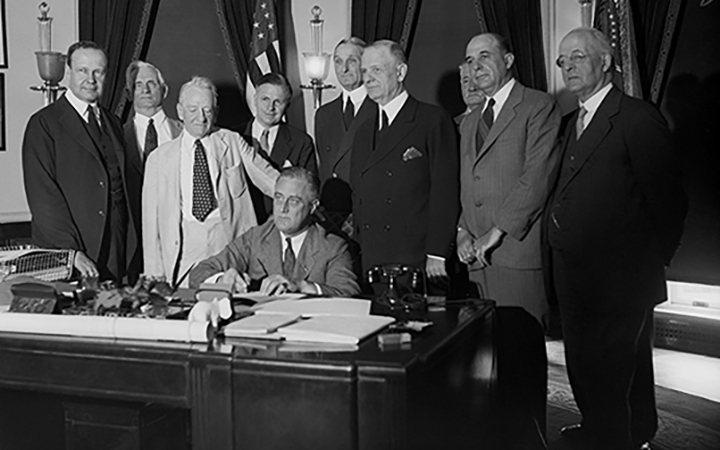
Commonly called Glass-Steagall, the Act was widely debated before its enactment
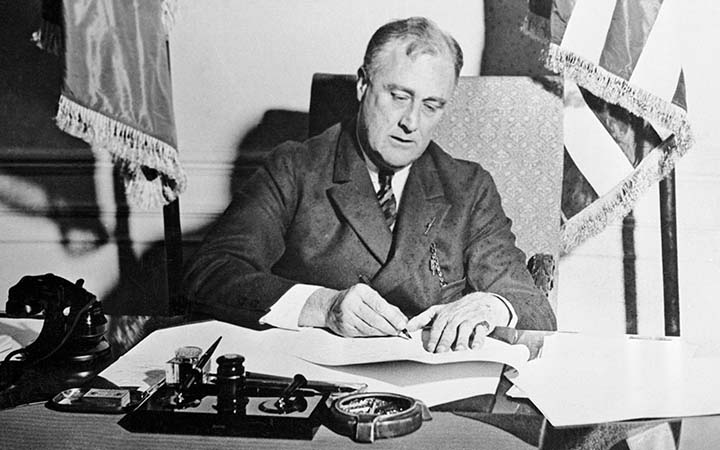
The 1933 law was aimed at restoring public confidence in the nation's financial system
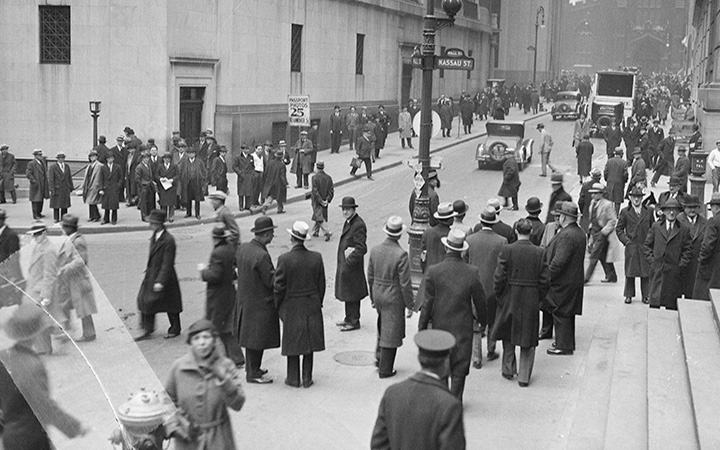
For an entire week in March 1933, all banking transactions were suspended
The Federal Home Loan Banks were established to advance funds to home mortgage lenders that historically did not have access to the Federal Reserve System.
The Emergency Relief and Construction Act of 1932 expanded the Fed's ability to make certain loans under "unusual and exigent circumstances."
During the years 1932 and 1933, the Reconstruction Finance Corporation effectively served as the discount lending arm of the Federal Reserve Board.
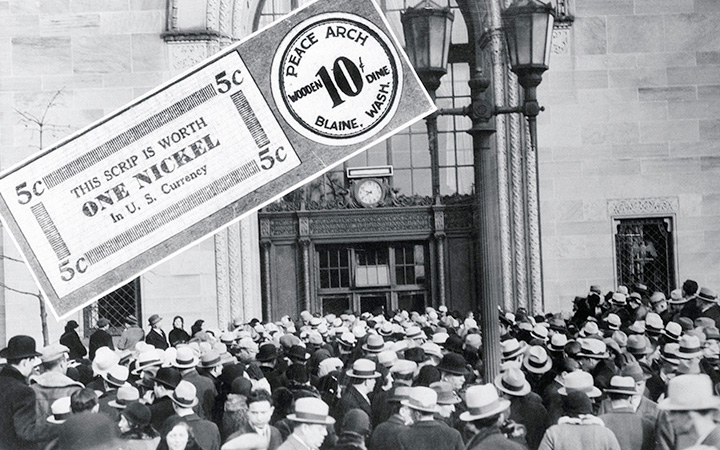
Earlier regional banking panics turned into a nationwide financial crisis in fall 1931
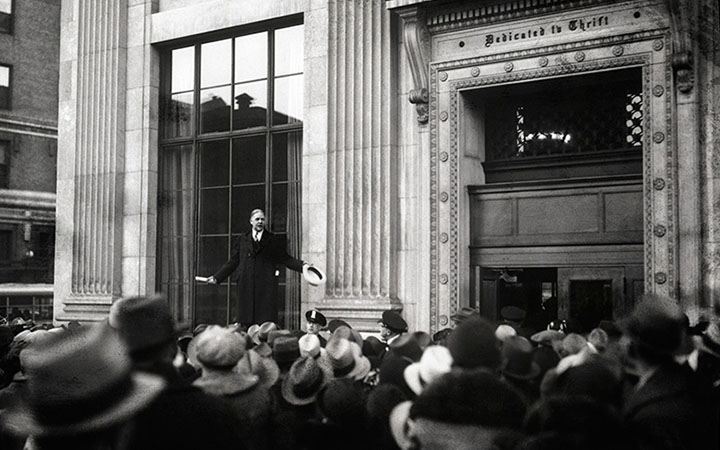
The U.S. appeared to be poised for economic recovery when a series of bank panics began in fall 1930
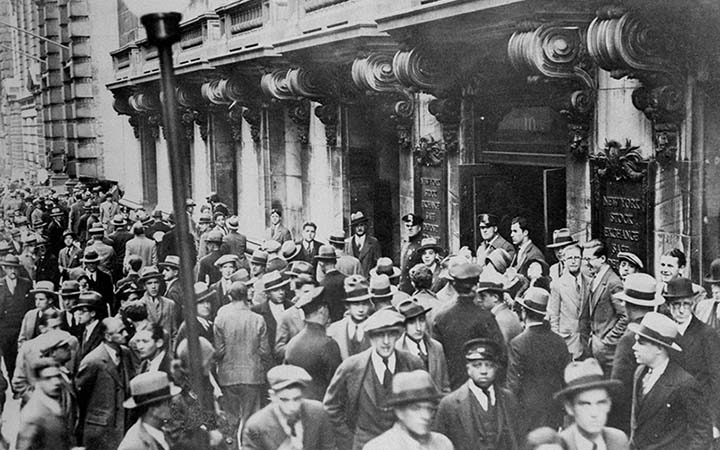
On October 28, 1929, the Dow declined nearly 13 percent
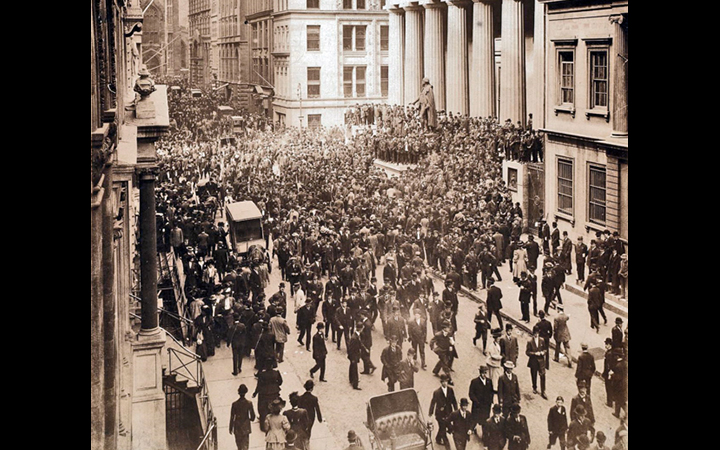
The story of the crash that inspired monetary reform
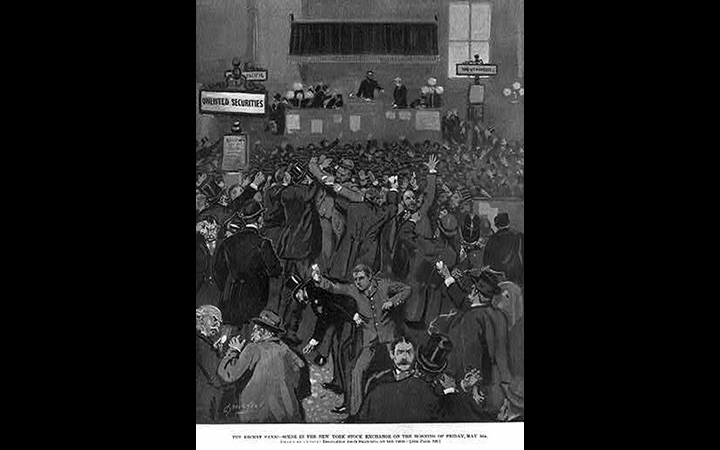
The late 19th century was beset by panics