
![Close-up of a "Whip Inflation Now" [WIN] button, President Ford's symbol of the fight against inflation.](/-/media/Project/FedHistory/FedHistory/Images/great_inflation_1_720x450.jpg?h=450&iar=0&w=720&hash=4BE729FA10DF3916273A197B0A128E4A)
The defining macroeconomic period of the second half of the 20th century lasted from 1965 to 1982
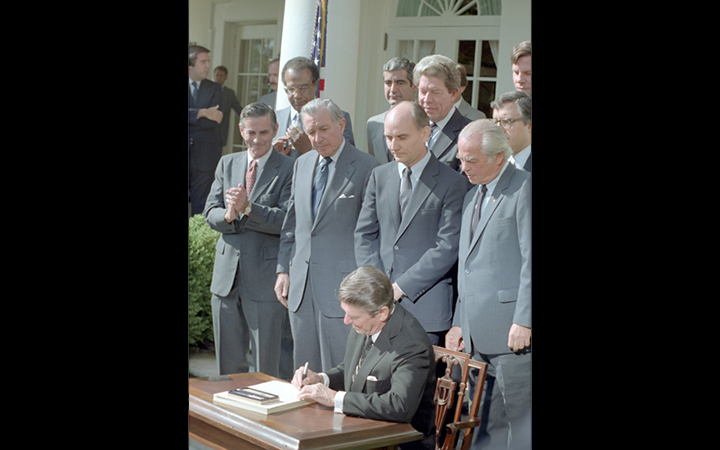
The 1982 Act aimed to ease pressures on depository institutions as the Fed acted to curb inflation
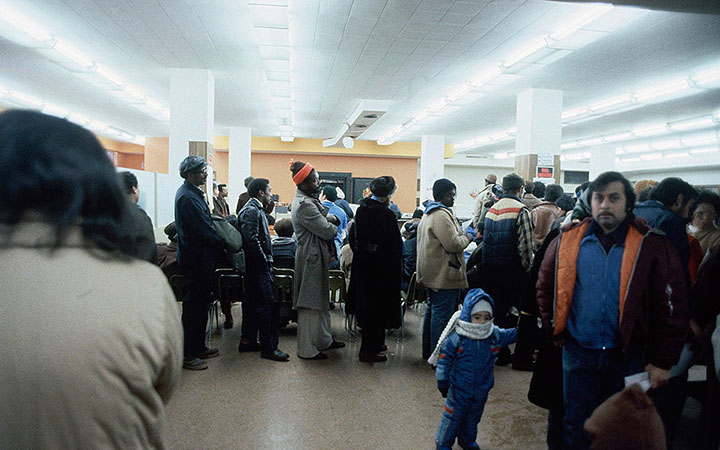
This economic downturn was triggered by tight monetary policy in an effort to fight inflation
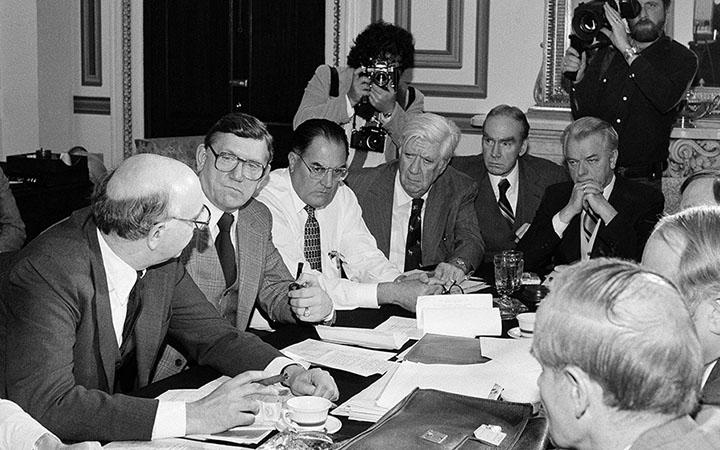
The 1980 Act was one of the most important laws to affect the Fed in its 100-year history
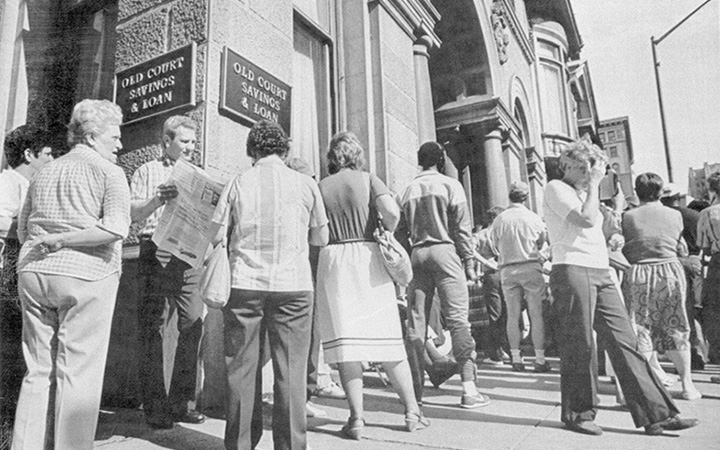
The 1980s was a period of distress for the financial sector, especially savings and loans
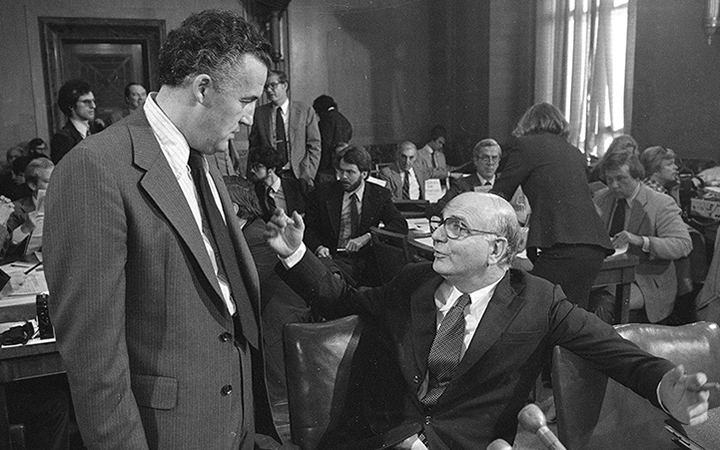
In 1979, Fed Chairman Paul Volcker announced new anti-inflation measures
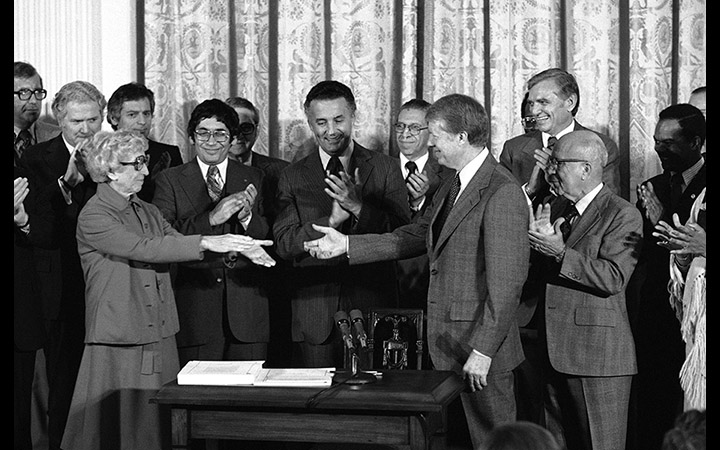
Commonly called Humphrey-Hawkins, the 1978 Act set new goals for the nation's economic policymakers
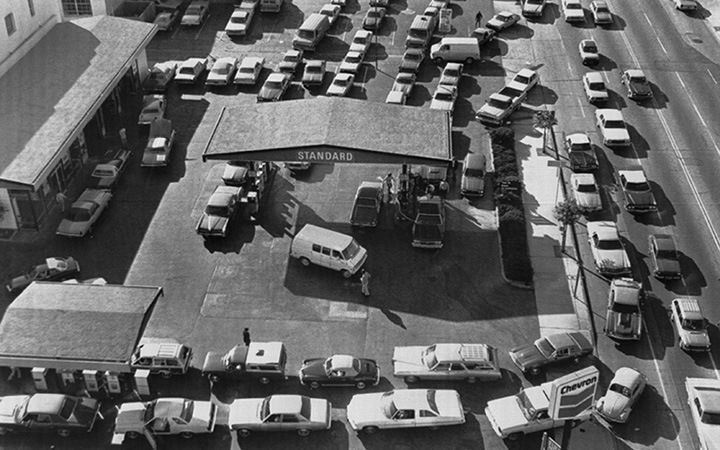
The second oil shock of the 1970s was associated with events in the Middle East
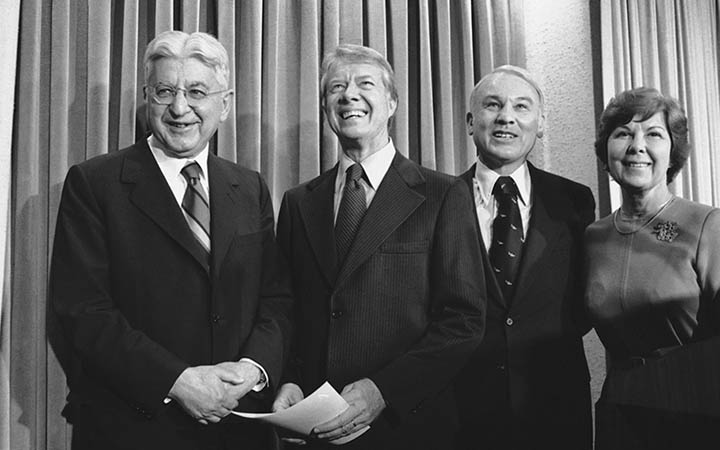
This 1977 law was instrumental in shaping the current Fed

The Federal Reserve and other federal banking agencies have implemented the CRA since its passage in 1977
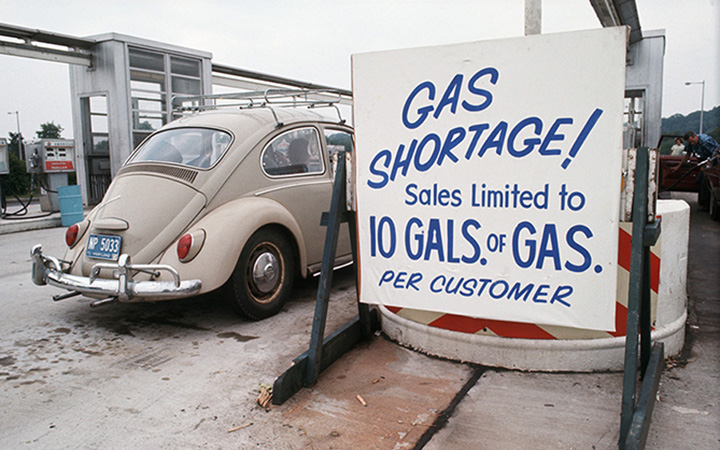
An oil embargo in the early 1970s complicated the U.S. macroeconomic environment
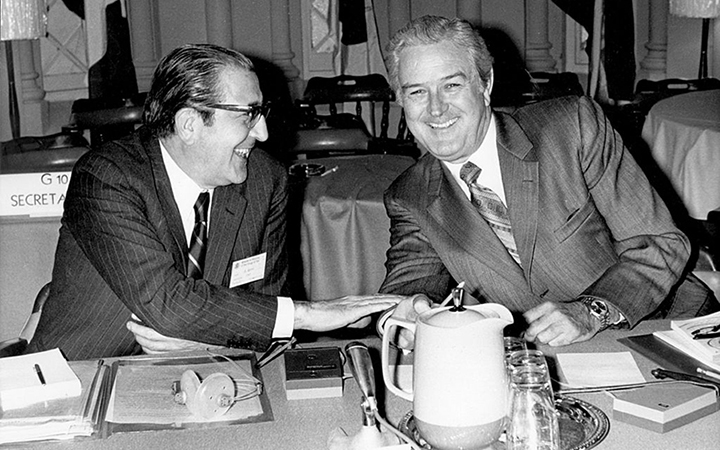
An attempt to rescue the Bretton Woods global monetary system in 1971
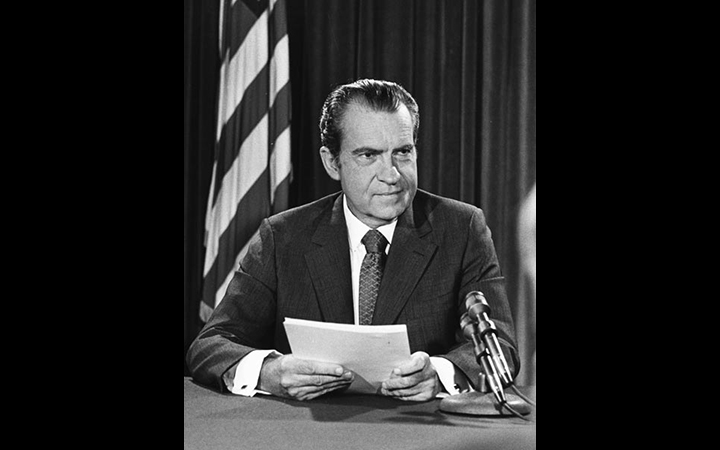
President Nixon's 1971 economic plan, sometimes referred to as "Nixonomics," ended gold convertibility and imposed wage and price controls