
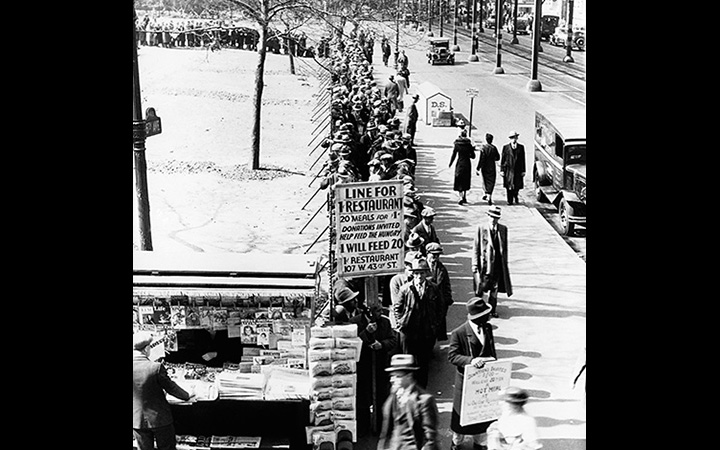
The worst downturn in U.S. history lasted from 1929 to 1941
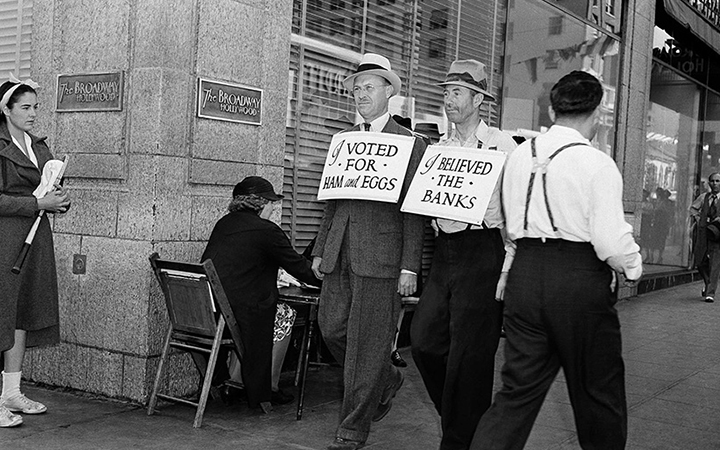
America's third-worst downturn of the 20th century
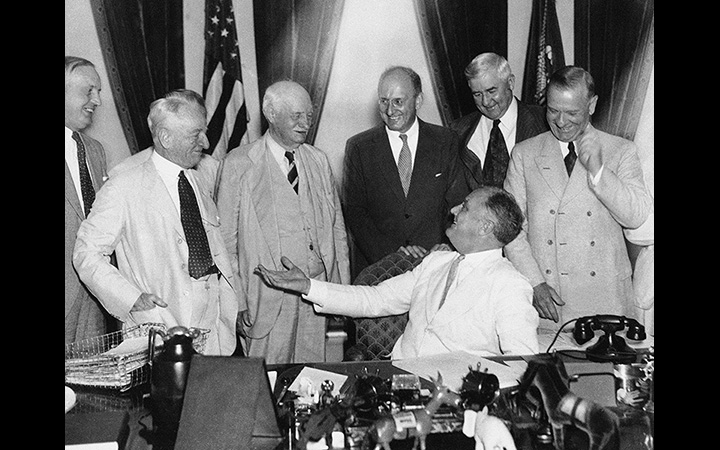
This legislation restructured the Fed in both cosmetic and consequential ways
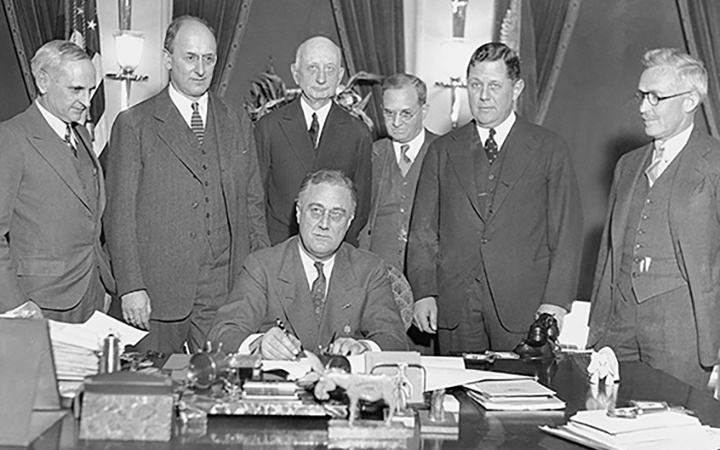
The 1934 law was the culmination of FDR's controversial gold program
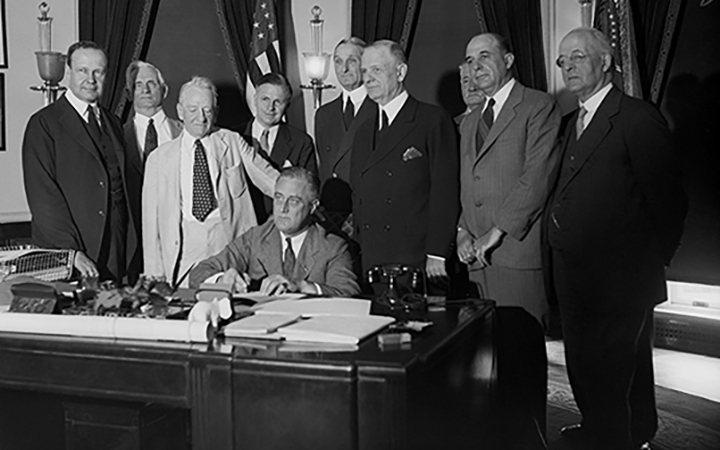
Commonly called Glass-Steagall, the Act was widely debated before its enactment
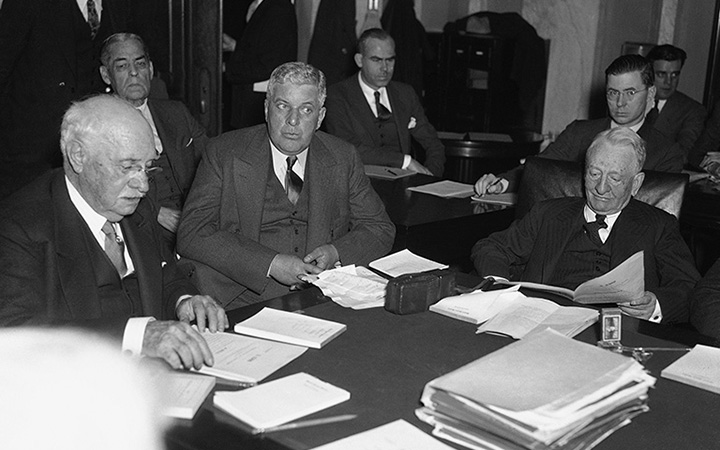
The controversial and consequential policies of FDR regarding gold and dollars
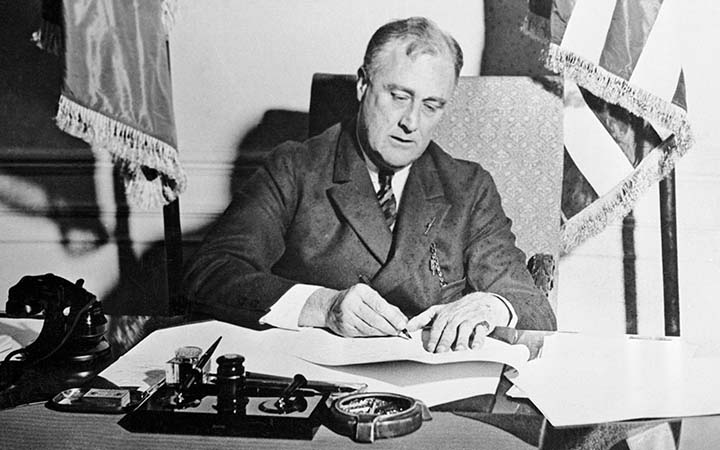
The 1933 law was aimed at restoring public confidence in the nation's financial system
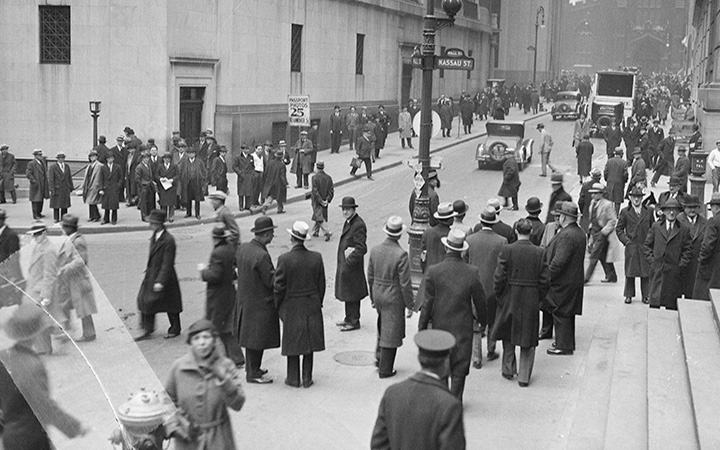
For an entire week in March 1933, all banking transactions were suspended
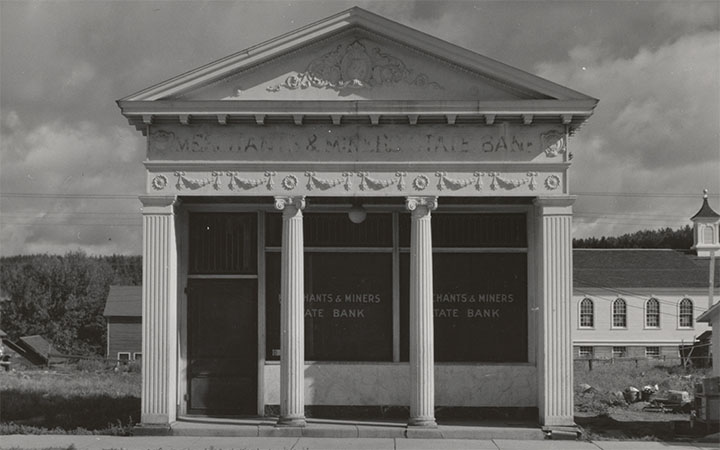
The Emergency Relief and Construction Act of 1932 expanded the Fed's ability to make certain loans under "unusual and exigent circumstances."
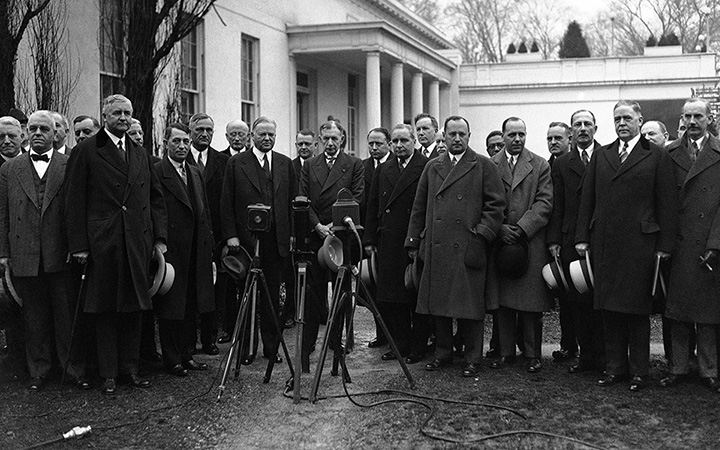
The Banking Act of 1932 reformed the Federal Reserve's role providing credit during economic downturns.
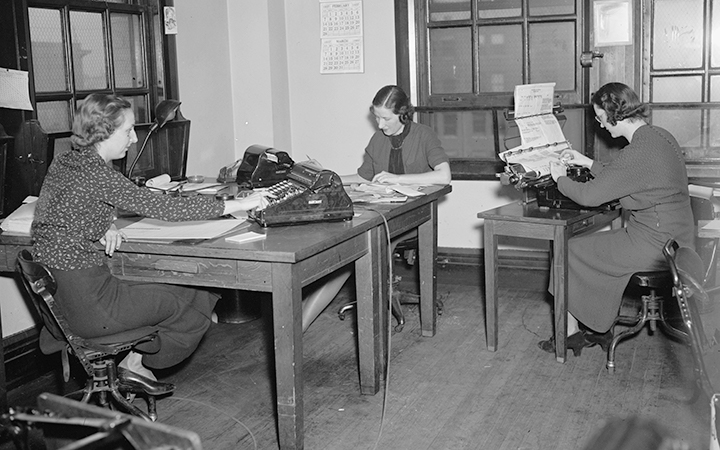
During the years 1932 and 1933, the Reconstruction Finance Corporation effectively served as the discount lending arm of the Federal Reserve Board.
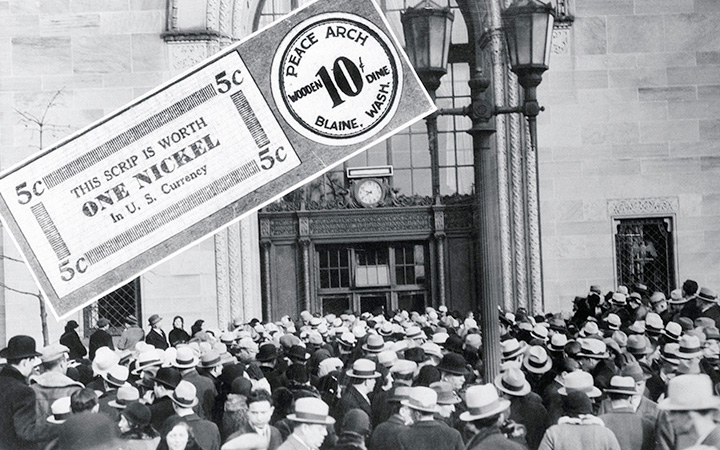
Earlier regional banking panics turned into a nationwide financial crisis in fall 1931
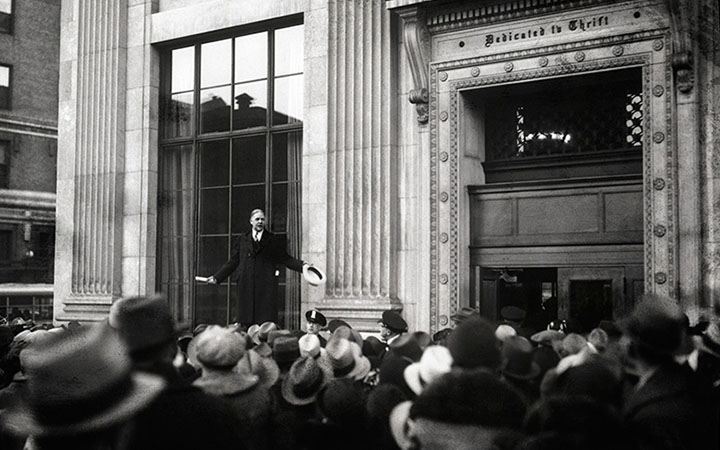
The U.S. appeared to be poised for economic recovery when a series of bank panics began in fall 1930
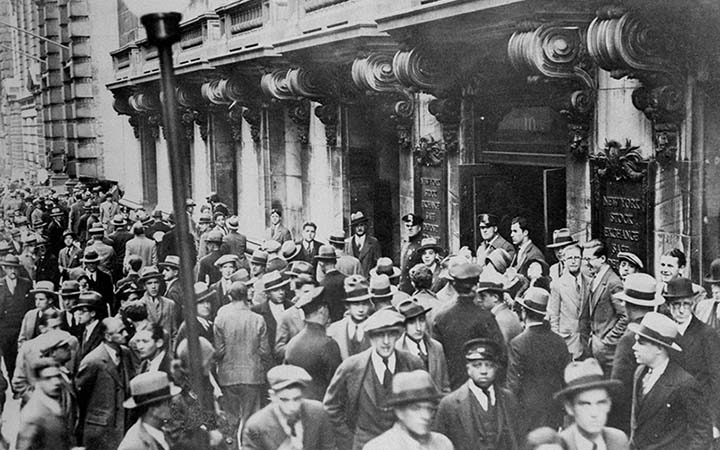
On October 28, 1929, the Dow declined nearly 13 percent