
Browse by Topic
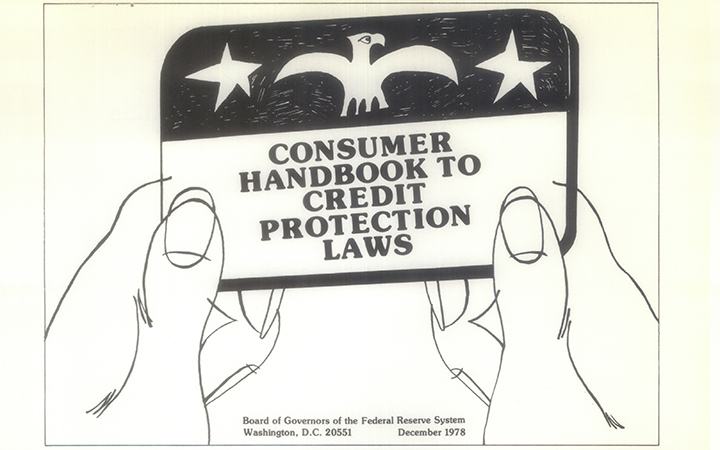
The Federal Reserve advances supervision, community reinvestment, and research to improve understanding of the impacts of financial services policies and practices on consumers and communities.

Economic expansions are characterized by growing employment and economic output
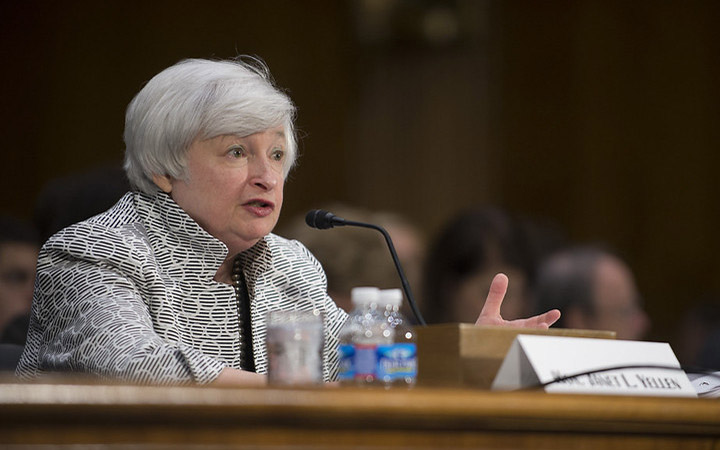
Though Congress specifies the goals for monetary policy, it established the Federal Reserve as an independent agency to ensure that its decisions are based on facts and objective analysis and serve the best interests of all Americans.
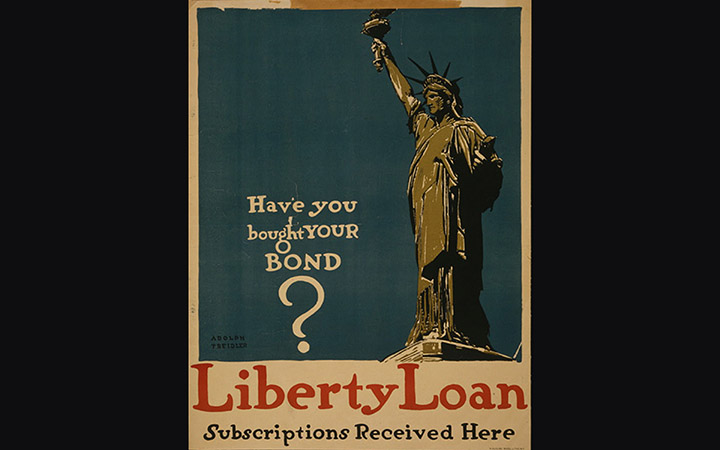
World War I and World War II strongly shaped Fed policy and actions.
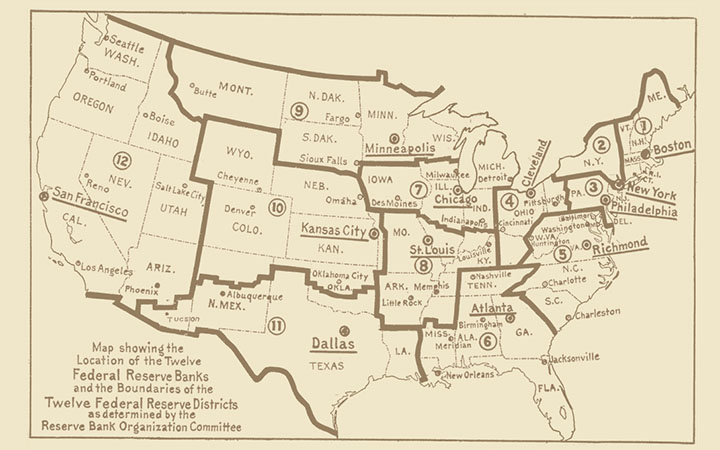
The Federal Reserve Act of 1913 called for a central banking system with a central governing Board and a decentralized operating structure of multiple Reserve Banks. This hybrid structure is still in place today.
![<p>The Panic - Run on the Fourth National Bank, No. 20 Nassau Street [New York City, 1873]. (Image LC-USZ6-952 via<a href="https://www.loc.gov/pictures/resource/cph.3a00900/"> Library of Congress Prints and Photographs Division</a>)<br></p>](/-/media/Project/FedHistory/FedHistory/Images/financial-stability_720x450.jpg?h=450&iar=0&w=720&hash=AD5F52DA3FC480826735D022DD5E5EF4)
The Federal Reserve monitors financial system risks and engages at home and abroad to help ensure the system supports a healthy economy for U.S. households, communities, and businesses.

One part of the Fed's dual mandate is price stability. Price stability means that inflation remains low and stable over the longer run.
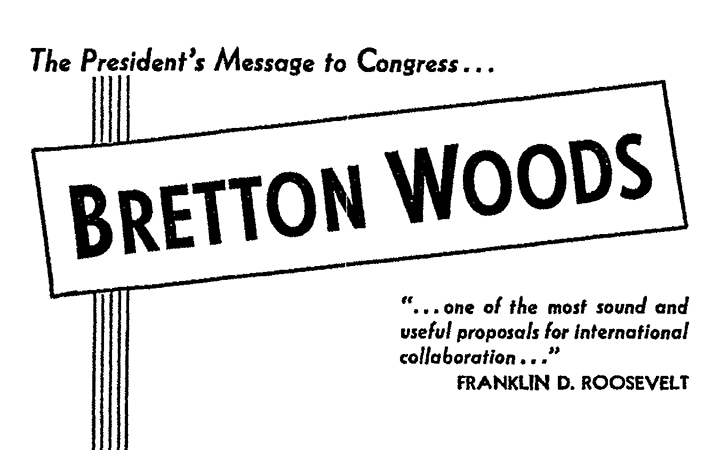
International events have shaped the American economy and Fed policy.

Various pieces of legislation have shaped the Fed's structure and policy mandates.

The Federal Reserve sets U.S. monetary policy to promote maximum employment and stable prices in the U.S. economy.
The Federal Reserve works to promote a safe, efficient, and accessible system for U.S. dollar transactions.
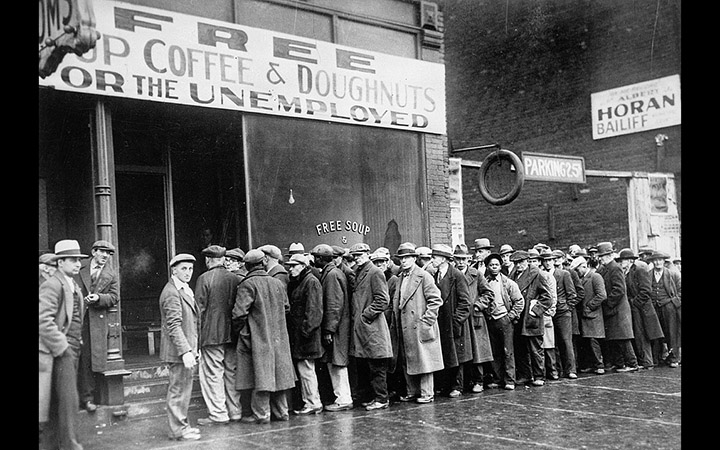
Economic downturns in American history have ranged from mild recessions to severe depressions.
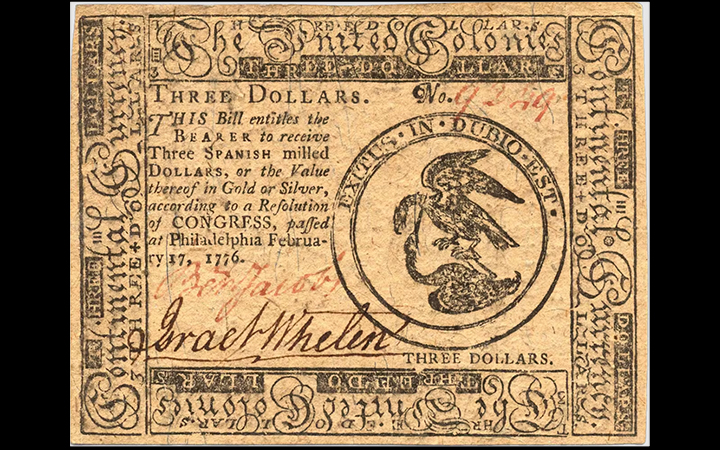
The Federal Reserve System was established in 1913 in reaction to a history of financial instability and other economic challenges.
The Federal Reserve promotes the safety and soundness of individual financial institutions and monitors their impact on the financial system as a whole.